I’ve long had a weakness for casino games that remove the clutter and let pure chance run the show. Casino War accomplishes this with a certainty few titles can match. What began as a childhood card game now sits in the lineup at Jack Casino, providing Canadian players a swift, no‑nonsense way to wager real money. I’m going to walk you through how each hand plays out, what the real odds look like, and how the online experience at a licensed Ontario platform transforms the feel. By the time you complete, you’ll see if this game fits into your rotation.
Payments Safety, and Gaming on the Go: The Canadian Players Need Know
Depositing a session at Jack Casino is built around the payment methods Canadians really use. Interac e‑Transfer and Interac Online stand at the top of the list, letting you transfer money directly from your bank account with deposits reflecting instantly in most cases. Visa, Mastercard, and digital wallets like MuchBetter and ecoPayz round out the options. I’ve never experienced a wait longer than the time it takes to grab a coffee for a deposit to appear.
Withdrawals undergo a standard approval pipeline: the casino’s payments team checks your request, usually within 24 hours, and then the method you selected dictates speed. Interac e‑Transfer frequently reaches my bank within a day after approval, while e‑wallet payouts can be faster. At Jack Casino, the know‑your‑customer process is a one‑time step tied to Ontario’s iGaming rules, so once you authenticate your identity, future cashouts proceed smoothly. I suggest completing verification immediately after registration to avoid delays when you win.
In terms of licensing, Jack Casino operates under the regulation of the Alcohol and Gaming Commission of Ontario (AGCO) and is required to follow stringent standards for game fairness, data encryption, and responsible gambling. You’ll find deposit limits, time‑out tools, and self‑exclusion options embedded into your account settings. For mobile, the site operates in‑browser without a mandatory app download, which saves storage space and guarantees the same game variety across iOS and Android devices without compromise in speed or visual quality.
I stepped into Casino War expecting a shallow distraction, but I walked out with genuine respect for a game that converts a childhood memory into a clear, mathematically transparent wager. Its beauty is not in complex decision trees; it’s in the pure simplicity of revealing a single card and realizing instantly where you stand. At Jack Casino, that simplicity is presented in a safe, licensed environment with payment rails tailored for Canadians, so you can concentrate on the rhythm of the deal instead of worrying about the infrastructure. If you approach each round with the commitment to always go to war, follow a predetermined budget, and view side bets as occasional spice rather than a meal, you’ll find a surprisingly sustainable table experience. Join a table, put down your wager, and let the cards remind you that sometimes the smallest decisions make the biggest impression.
Getting the Most From Your Casino War Games: Bonuses and Promotions
Bonuses at a regulated Ontario site like Jack Casino typically start with a welcome package that matches https://www.bbc.co.uk/news/articles/cy72r7m20gro a percentage of your first deposit, often combined with free spins on select slots. Casino War generally contributes a smaller fraction toward wagering requirements than slots do, at times only 5% or 10%, but it still counts, and the low variance of the game can help you clear playthrough at a predictable spend. Always review the terms and conditions linked directly on the promotion page before you deposit.
I’ve found to scan for reload offers, cashback deals, and leaderboard challenges that specifically mention table games. Even a modest 10% weekly insurance on net losses can turn a breakeven session into a positive one. Jack Casino tends to rotate its promotional calendar seasonally, so what I see this month may not be identical next month. The responsible habit is to visit the promos hub each week and note which games qualify, because an offer tied only to slots won’t help your war wagers.
Another tip: if the casino provides a no‑deposit bonus or loyalty points, you can often transform those into table game credits. I’ve used small loyalty balances to test side‑bet outcomes without touching my cash balance, which scratches the curiosity itch while preserving the bankroll. Just remember that bonus funds generally carry maximum bet limits during playthrough, and exceeding those can void your bonus, another reason to read the fine print before clicking a single chip.
Fundamental Strategy for Casino War: What a Smart Player Should Do
Choices vanish once the cards are dealt. Only one meaningful choice remains when a tie hits the screen. My advice, grounded in the probability I just laid out, is to go to war every single time, no exceptions. This isn’t a situation where sizing up the table or intuition changes the numbers. The math doesn’t bend, and giving up is simply a slower leak in your bankroll.
Beyond that rule, handle the game with the same bankroll discipline you’d bring to any other house‑banked table game. Define a loss limit before you open a table at Jack Casino and stick to it. Rounds resolve quickly, so it’s easy to chase bad runs if you’re not deliberate about session boundaries. I find that pre‑committing to a number of antes keeps the entertainment value high and the frustration low.
Many players ask me whether counting cards helps in Casino War. The short answer is no. Even if you could track every card that’s been played, the advantage you might squeeze out would be minuscule and entirely impractical online, where continuous shuffle machines or frequent shoe changes erase any short‑term memory. Treat this as a blind‑luck game that rewards patience, not cleverness, and you’ll enjoy it far more.
House Edge and Odds: The Calculations Behind the Fun
When you use optimal strategy, always going to war on a tie, the house edge on the ante comes in at 2.88% in a standard six‑deck shoe. That makes Casino War slightly more pricey than the 1.06% of banker bet baccarat, but considerably kinder than many side‑rich blackjack tables where players deviate from basic strategy. It’s a flat, unchanging figure that doesn’t rely on skill, which I find oddly comforting.
Think of the edge as the price of admission for a game that runs at roughly 100 hands per hour online. At a C$5 ante, you’re theoretically paying about C$14.40 in expected loss per hour, ignoring side wagers. Measure that against a typical American roulette wheel at 5.26%, and Casino War begins to appear a disciplined choice for low‑rolling entertainment. The absence of complex decision points also means you won’t incur costly errors that drive the effective edge much higher.
Surrendering on every tie, by contrast, raises the house edge above 3.7%. You voluntarily forfeit half the ante in a situation where you’d otherwise have better than a fighting chance. I’ve watched players panic‑click the surrender button out of fear of losing both bets, but the math firmly shows you’ll lose less in the long haul by fighting every single war. Let the second‑tie bonus pay you once in a while instead of handing the casino a guaranteed slice.
Ranking of Cards and the War Mechanism: When the Battle Really Begins
Ace is the highest card in Casino War, followed by King, Queen, Jack, and the numbers down to two. Suits have no bearing; a tied rank is the only trigger. The game uses regular 52‑card decks, often six or eight mixed together in live play, so the hierarchy never takes anyone by surprise who knows poker or blackjack. That familiarity is a key reason I find the game so easy to recommend to leisure players.
When you enter war, the burning of three cards and the subsequent deal turn a basic ante into a two‑stage wager. If your war card is higher than the dealer’s war card, the casino settles your war bet at even money and your original ante pushes, which means you get the ante back with zero profit and zero loss. If the dealer’s war card is greater, you forfeit both the ante and the war bet. A another tie during war, nevertheless, plays to your advantage: you win both bets at evens. That reward is rare, but it juices the payout enough to keep the war decision mathematically interesting.
In my trials across various platforms, I’ve seen back‑to‑back ties trigger audible gasps at live tables. The second‑tie rule is what eventually shifts the strategy toward always choosing war. The tiny sliver of advantage you gain when ties happen twice reduces the total cost of staying in the hand. If you folded every tie, you’d lock in a definite loss of half your bet each time, which is much more costly over a session.
The discarded cards are never displayed to the player, which maintains the outcome random. Some players mistakenly think the three burned cards hint at upcoming ranks, but in a recently shuffled shoe they are purely for dramatic effect. Jack Casino’s RNG tables use approved random number generators, while its live dealer war games rely on mechanical card shoes that supply the broadcast in real time. So the reliability of the burn is never in doubt.
The Digital Experience Engaging in Casino War at Jack Casino
Signing into Jack Casino and pulling up a Casino War table happens quickly, whether you are on a laptop in Thunder Bay or a smartphone on the SkyTrain in Vancouver. The platform is designed to cater to Ontario players under AGCO licensing, and I’ve observed the game tiles load quickly on a stable connection. Sharp graphics and ambient casino sounds replicate the upbeat tempo of a land‑based pit without the crowds.
The live dealer section is where I devote most of my time to jackscasino.ca. A human croupier manages the shoe, chats with players, and establishes a social rhythm that automated tables cannot match. Jack Casino often has multiple live Casino War studios sourced from Evolution or a comparable provider, so you can join at off‑peak hours with minimal wait. Camera angles enable you to view every burn card and war reveal, which builds trust in the fairness of the outcome.
For those who want quicker rounds, RNG tables offer hands in under ten seconds, allowing you to set your own pace. The interface maintains your balance, bet history, and favourite bet amounts visible, and moving from portrait to landscape on mobile works smoothly. I appreciate that Jack Casino includes a practice‑play option on many titles, though not always for live tables, so you can understand the war mechanic at zero cost before playing with real money.
The Step‑by‑Step Process of a Single Round
A round begins with an ante bet within the table limits shown on screen. At Jack Casino, low‑stakes tables might accept just a loonie, while high‑roller rooms raise the ceiling well into three figures. Once the betting window closes, the dealer distributes one face‑up card to you and one to the house. If your card outranks the dealer’s, you win even money on your ante and the round concludes right there.
That outcome occurs about 46.3% of the time, excluding ties. When the dealer’s card is higher, you give up the ante and that’s it. The real hook is the tie scenario, roughly 7.4% of hands, where both cards mirror rank. At that moment, the interface or dealer requests you to select between surrender and going to war, and your choice directly influences your long‑term bottom line.
If you choose surrender, you lose half your ante and walk away. Going to war signifies you wager an extra war bet equal to your original ante. The dealer then discards three cards, dropping them face down, and distributes a fresh face‑up card to each side. That single showdown determines the fate of every chip you have riding on the hand.
I enjoy how Jack Casino’s software makes the sequence crystal clear. The interface halts, highlights the tie, and displays two clear action buttons. New players worried about a wrong click will discover the flow forgiving, because the casino literally pauses for your input. Live dealer tables bring a charming human pause: the host gently urges you to decide before the third card burn commences.
The Timeless Favorite Turned Casino Table Game
Casino War is derived from the childhood game of War: two players flip cards, higher rank wins. Casinos used that core mechanic, added real‑money bets, and added a tie‑breaking twist that provides the game its name. The result feels like a leaner cousin of baccarat, except you never choose to draw extra cards on your main hand.
I see it as a deliberate throwback. It functions because it kills analysis paralysis. At Jack Casino, you’ll discover it tucked among blackjack and roulette tables. The round structure never asks you to split, double, or surrender a bad total in the traditional sense. You just place your bet on your card beating the dealer’s card. That near‑total absence of strategy is precisely why high‑rollers and newcomers both flock to it.
For Canadians exploring regulated iGaming, Casino War is available in both RNG and live dealer formats. The live version broadcasts from professional studios, replicating the felt‑table ritual with a human dealer. Jack Casino’s library features several software providers, so graphics and side‑bet options vary a bit depending on which lobby you enter. But underneath every variation, the mathematical skeleton stays identical. That predictability is what I’m going to break down for you.
Additional Wagers and Custom Bets: Analyzing the Tie Bet and More
Nearly every Casino War table has an standalone tie bet, a dedicated chip area on the felt. You can put it without playing the main ante, though most players I see use it as a small side garnish. go to site If the initial cards tie, the tie bet pays 10 to 1 at the standard payout table, which appears attractive on the surface. The catch, as always, is the probability behind that shiny number.
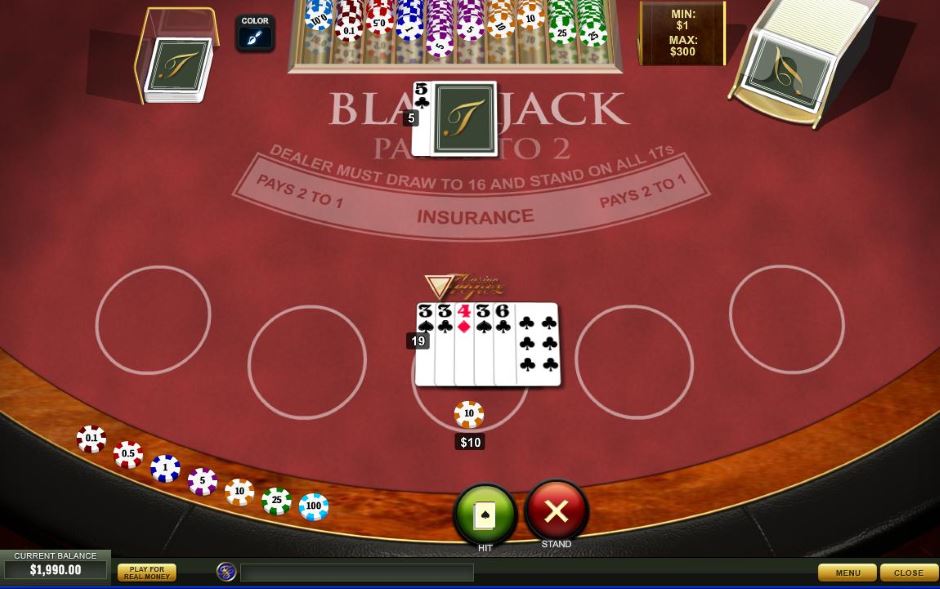
Statistically, a rank‑for‑rank match happens about once every 13.4 hands. That’s roughly 7.4% of rounds, so the true odds of a tie are closer to 12.5 to 1. Casinos pay only 10 to 1, which generates a house edge north of 18% on the side bet. I can’t in good faith encourage anyone to build a strategy around a wager that sacrifices nearly a fifth of your stake over time. Use it infrequently, if at all, for the occasional thrill.
At Jack Casino, the interface distinctly separates the tie bet circle, so you never mistake it for your ante. Some software providers also offer a “suited tie” variation that pays 50 to 1 or higher when the cards match in rank and suit, but those odds come with an even steeper house advantage. I always advise checking the paytable and help screen before clicking. A few extra percent raked by the casino can quietly erode a session bankroll that felt comfortable at the start.